
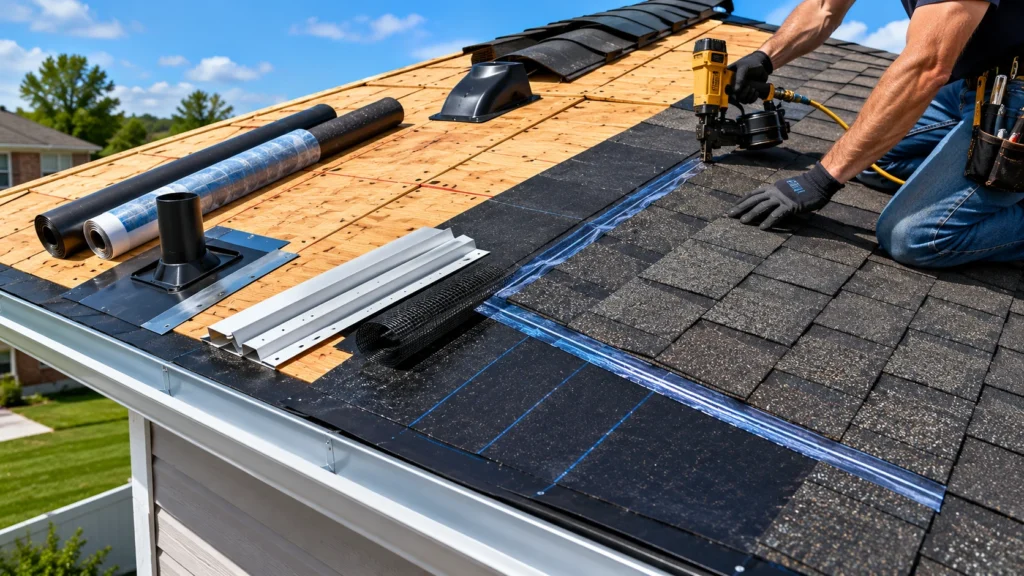
Most homeowners assume the insurance estimate is final. It usually is not. That surprises people. Especially after major hailstorms. The reality is that large roofing claims often evolve after the first inspection because important details get missed, hidden damage appears later, or critical roofing components never make it into the original estimate in the first place. That is exactly why Hail Damage Claim Supplements: What Carriers Miss in Their Scope has become such an important topic for homeowners, contractors, and public adjusters across Texas.
And honestly? Many initial scopes are incomplete. Not necessarily because someone acted maliciously. Catastrophe claim volume moves fast. Inspectors face pressure. Roof systems are complicated. Some damages remain hidden until tear-off begins. Others require deep construction knowledge and strong Xactimate expertise to identify properly.
That matters financially. A lot. Missing line items can leave homeowners responsible for thousands of dollars in roofing costs that should have been documented from the beginning. In storm-heavy areas like Brownsville, that problem becomes even more important because roofing systems often face repeated weather exposure, moisture complications, and accelerated wear conditions that make accurate scoping far more difficult. Supplements are not about inflating claims. They are about accuracy. And when handled properly, supplements become one of the most important parts of the entire insurance recovery process.
What Is a Hail Damage Claim Supplement?
A supplement is an additional request for payment based on work or damage that was not included in the original insurance estimate. Simple concept. But incredibly important. Supplements happen constantly in roofing claims because the first inspection rarely captures every component involved in a complete repair. Roofing systems are layered. Flashing gets buried beneath shingles. Moisture intrusion hides below decking. Ventilation problems appear after tear-off begins. The insurance carrier may issue an initial estimate quickly. Then later, additional documentation reveals missing items. That creates the supplement process.
A legitimate supplement may include:
- Missing roofing accessories
- Additional labor charges
- Code-required upgrades
- Hidden decking damage
- Interior moisture repairs
- Detach-and-reset items
- Steep roof safety requirements
- Additional material quantities
This is normal. Very normal. Large hail claims almost never stay static from beginning to end.
Why Initial Carrier Scopes Often Miss Important Items
There are several reasons this happens. Some are operational. Others are technical. All of them affect claim accuracy.
Time Pressure During Catastrophe Claims
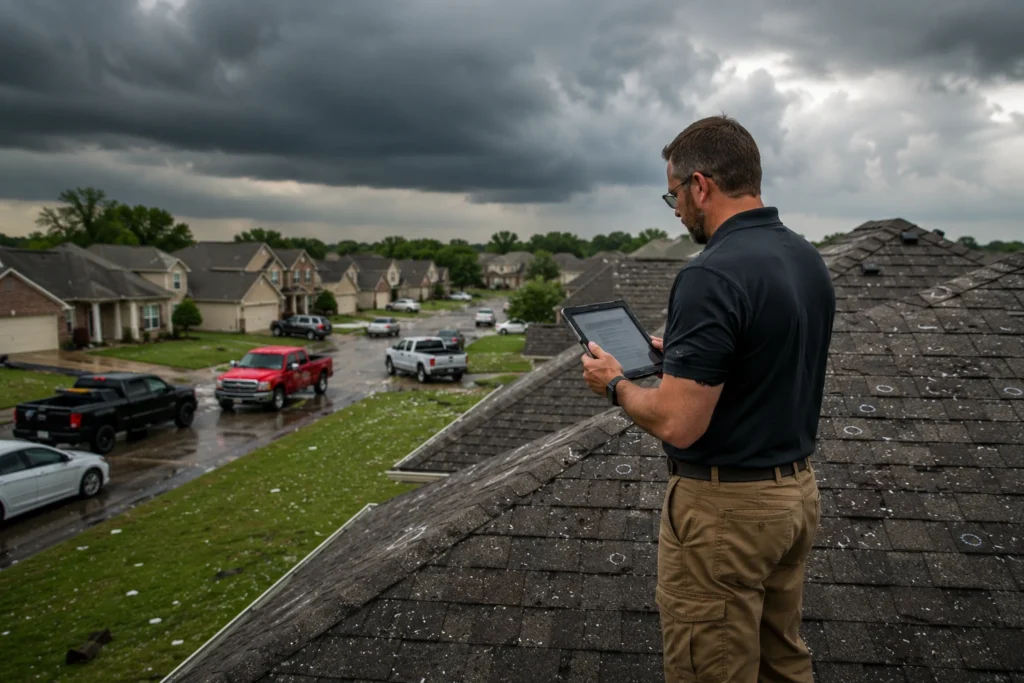
After major Texas hailstorms, carriers process enormous numbers of claims simultaneously. Inspectors move quickly. Schedules become overloaded. That environment increases the likelihood of incomplete documentation. Sometimes inspections last less time than homeowners expect. Other times, desk adjusters rely heavily on photos or aerial measurements instead of detailed field analysis. That creates gaps. And gaps create supplements.
Limited Roofing System Documentation
A roof is not just shingles. Far from it.
Complete roofing systems include:
| Roofing Component | Why It Matters |
| Starter shingles | Wind protection and warranty compliance |
| Ridge cap | Protects roof peak |
| Flashing | Prevents water intrusion |
| Drip edge | Directs water runoff |
| Underlayment | Secondary moisture barrier |
| Ventilation | Prevents trapped moisture and heat |
| Valley metal | Handles concentrated water flow |
| Ice and water barrier | Protects vulnerable roof areas |
If even a few components get omitted, the estimate may no longer reflect the true repair scope. That happens more often than homeowners realize.
Hidden Damage Is Not Always Visible Initially
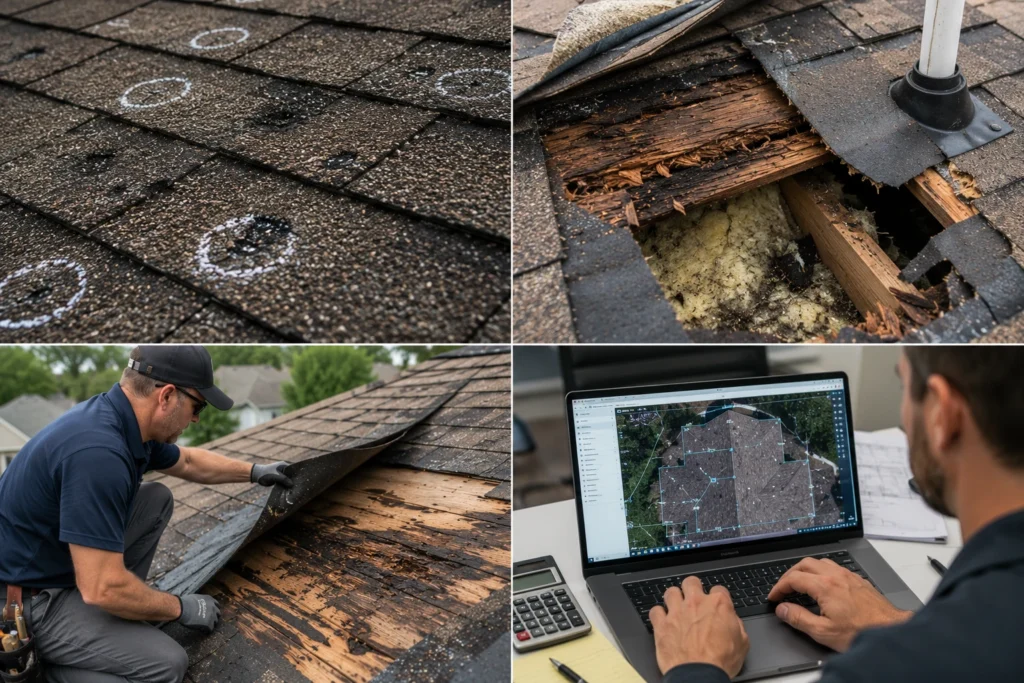
Some damage cannot be confirmed until roofing materials are removed. This is one of the biggest reasons supplements exist.
Examples include:
- Rotten decking
- Saturated insulation
- Hidden flashing deterioration
- Moisture intrusion beneath underlayment
- Fastener failures
- Structural movement around penetrations
No adjuster can see through shingles. That matters. Especially during severe hail events.
The Gap Between Field Reality and Software Input
Xactimate only reflects what gets entered into the estimate. Nothing more. If a line item never gets added, the software will never account for it financially. That is where expertise becomes critical. Because the software itself is not the problem. Incomplete scoping is.
Large-scale roofing evaluations sometimes become surprisingly phenomenological because inspectors must interpret visible evidence, environmental exposure, material aging, and structural behavior patterns simultaneously during complex hail investigations.
Understanding Xactimate and Why It Controls Roofing Claims
Xactimate dominates the property insurance industry. Nearly every major carrier uses it in some form for residential roofing claims. The software creates estimates using pricing databases, labor calculations, material costs, and construction categories. It organizes roofing claims into measurable line items that carriers use to calculate payouts. That means every detail matters. One missing line item may affect hundreds or thousands of dollars.
Here is the important part homeowners often miss:
Xactimate is only as accurate as the person building the estimate. That is it. A skilled reviewer understands how roofing systems actually function. They know which line items apply. They understand code requirements. They recognize when quantities appear incomplete. That knowledge changes outcomes.
The Importance of Proper Line Item Selection
Small estimating mistakes create major financial consequences.
For example:
- Wrong waste calculations reduce material totals
- Missing detach-and-reset items leave contractors unpaid
- Incorrect steep charges underestimate labor complexity
- Incomplete flashing entries ignore water protection systems
These are not minor technicalities. They directly affect repair costs.
Why Scope Accuracy Matters More Than Price Arguments
Many homeowners focus entirely on pricing disputes. But experienced claim professionals know the real battle usually starts with scope accuracy.
First determine:
- What was damaged
- What must be replaced
- What code requires
- What labor is necessary
Then pricing discussions become easier. Because complete documentation creates leverage. Emotion does not. Evidence does.
The Most Common Roofing Items Carriers Miss in Their Scope
This is where supplements become incredibly important. Certain roofing components get overlooked repeatedly during hail claims. Let’s break them down.
Starter Shingles
Starter shingles help prevent wind uplift at roof edges. They are essential. Yet many initial estimates omit them completely or undercalculate quantities. That becomes a warranty issue later.
Ridge Cap Replacement
Ridge caps experience direct hail impact constantly. Damage often appears subtle at first glance. But brittle ridge systems frequently require replacement during full roof restoration projects.
Ice and Water Barrier
Some roofing systems require upgraded moisture protection under modern code or manufacturer specifications. If not included initially, supplements become necessary later.
Drip Edge
This is one of the most commonly missed line items. Especially on older roofs. Modern installation requirements often mandate drip edge replacement during reroofing.
Flashing Components
Flashing failures cause enormous moisture problems.
Examples include:
- Chimney flashing
- Step flashing
- Counter flashing
- Pipe jack flashing
Many initial scopes only address shingles while ignoring surrounding water management systems entirely. That creates future leak risk.
Valley Metal
Roof valleys handle concentrated water flow. Hail impacts, age, and installation methods all affect whether valley systems require replacement. These items frequently appear in supplements.
High-Pitch Roofing Charges
Steep roofs require additional labor and safety precautions. That changes production speed dramatically. It also changes risk exposure. Xactimate includes steep-charge categories for a reason.
Multi-Story Access Charges
Two-story and three-story roofs require more setup time, additional safety procedures, and increased labor complexity. Initial estimates sometimes overlook this entirely.
Detach and Reset Items
This category creates major supplement activity.
Examples include:
- Satellite dishes
- Solar panels
- Gutters
- HVAC lines
- Security cameras
- Pergola attachments
Roofers cannot simply “work around” many of these components safely. They must be detached and reset properly.
Roof Decking Replacement
This becomes one of the biggest supplement triggers during tear-off. Hidden decking deterioration appears constantly after hail-related moisture intrusion. Once rotten decking gets exposed, repairs become mandatory. Not optional.
Ventilation Components
Ventilation affects roof lifespan enormously.
Commonly missed items include:
- Ridge vents
- Turtle vents
- Power vents
- Exhaust systems
Ignoring ventilation during reroofing creates long-term performance problems.
Interior Water Damage
Hail claims do not always stop at the roof.
Water intrusion may affect:
- Ceilings
- Drywall
- Insulation
- Flooring
- Paint
- Texture matching
Sometimes leaks appear weeks later. That creates supplemental interior claims.
Code Upgrades That Frequently Trigger Supplements
Building code matters. A lot. And older roofing systems often fail to meet modern requirements during replacement. That creates additional costs.
Common Code-Related Supplement Items
| Code Upgrade | Why It Triggers Supplements |
| Drip edge installation | Older roofs may lack compliant edge systems |
| Ice barrier requirements | Certain roof areas require enhanced protection |
| Ventilation corrections | Improper airflow must often be corrected |
| Deck renailing | Required for wind resistance |
| Flashing upgrades | Older flashing may not meet current standards |
Homeowners rarely anticipate these costs. But contractors encounter them constantly during repairs.
Why Documentation Matters
Carriers rarely approve unsupported code requests. Documentation is critical.
Strong supplement packages often include:
- Building code citations
- Manufacturer specifications
- Inspection reports
- Photos
- Municipal requirements
The stronger the evidence, the smoother the supplement process usually becomes.
Real-World Supplement Scenarios
Let’s talk about how this plays out in reality. Because supplements are not theoretical. They happen every day.
The “Simple Roof” That Wasn’t Simple
A homeowner receives an initial estimate for basic shingle replacement. Looks straightforward. Then tear-off begins.
The contractor discovers:
- Rotten decking
- Improper flashing
- Missing ventilation
- Multiple roofing layers
Suddenly the project scope changes dramatically. That supplement is legitimate because the original estimate lacked critical information unavailable during the initial inspection.
Steep Roof Access Problems
Some roofs are difficult and dangerous to access safely. That affects labor production heavily.
Safety equipment may include:
- Harness systems
- Roof jacks
- Additional crew requirements
- Extended setup time
If steep charges are omitted initially, supplements become necessary later.
Interior Moisture Appears Weeks Later
This happens constantly after hail events. A homeowner initially notices only roof damage.
Then later:
- Ceiling stains appear
- Insulation becomes saturated
- Paint bubbling develops
- Moisture spreads around vents
Interior supplements follow. Because the damage evolved over time.
Multi-Trade Repair Complexity
Large hail losses often involve more than roofing.
Additional trades may include:
- Gutters
- Fencing
- Painting
- Drywall
- Electrical repairs
- HVAC repairs
One incomplete scope can affect the entire restoration process. Some homeowners eventually begin researching What to Do If Your Hail Claim Was Denied in Brownsville, TX after discovering major differences between contractor findings and the carrier’s original scope. That situation becomes even more stressful when hidden roofing damage appears after tear-off begins. Strong documentation, organized communication, and accurate Xactimate analysis often become critical during disputed supplement situations.
How Experienced Xactimate Reviewers Build Strong Supplements
Good supplements are organized. Detailed. Evidence-based. Not emotional.
Detailed Photo Documentation
Photos matter enormously.
Strong documentation includes:
- Wide-angle roof views
- Close-up impact photos
- Flashing conditions
- Interior moisture evidence
- Safety access challenges
Good photos reduce disputes.
Accurate Roof Measurements
Measurement errors create major estimate problems.
Professional reviewers often compare:
- Carrier measurements
- Drone reports
- EagleView reports
- Manual calculations
Even small differences affect material totals significantly.
Proper Xactimate Line Item Usage
Experienced supplement reviewers understand carrier estimating language. That matters. Specific line items create clearer communication and reduce confusion during negotiations. Vague descriptions slow everything down.
Building Evidence Instead of Arguments
This may be the most important concept in the entire article.
Strong supplements rely on:
- Photos
- Measurements
- Code documentation
- Manufacturer requirements
- Moisture readings
- Contractor observations
Not frustration. Not threats. Evidence wins.
The Difference Between Legitimate Supplements and Inflated Claims
This distinction matters enormously. A proper supplement reflects actual repair requirements. Nothing more. Nothing less.
Ethical supplementing focuses on:
- Real damage
- Necessary labor
- Code compliance
- Proper materials
- Accurate measurements
Inflated claims damage credibility quickly. Experienced professionals understand that long-term success depends on accurate documentation, not exaggeration. And carriers absolutely recognize the difference.
Why Communication and Organization Matter During Supplements
Claim files become communication battles surprisingly often. Not just inspection battles. That is why organization matters so much.
Keep records for:
- Emails
- Inspection dates
- Estimate revisions
- Contractor invoices
- Supplement submissions
- Carrier responses
Create timelines. Track everything. Especially in large claims.
Common Mistakes Homeowners Make
Some mistakes create unnecessary complications later.
Examples include:
- Starting repairs before documentation finishes
- Throwing away damaged materials
- Missing reinspection opportunities
- Failing to photograph interior staining
- Losing communication records
Small organizational mistakes can weaken supplement support dramatically.
How Public Adjusters Use Xactimate Expertise to Strengthen Claims
This is where technical expertise becomes incredibly valuable. Public adjusters who understand Xactimate know how to evaluate incomplete scopes properly.
They review:
- Missing line items
- Quantity discrepancies
- Code-related omissions
- Roofing complexity
- Interior damage categories
Then they organize evidence to support supplemental requests. That process creates structure. And structure creates leverage.
Why Technical Knowledge Creates Better Outcomes
Experienced reviewers understand:
- Construction sequencing
- Roofing systems
- Carrier estimating logic
- Code requirements
- Supplement workflows
That combination matters. Especially during complicated hail losses.
Why Homeowners in Brownsville Should Pay Attention to Supplements
Homes in Brownsville often experience challenging weather exposure patterns. That creates roofing complexity. Moisture intrusion, wind exposure, and repeated storm activity all increase the likelihood of hidden damage and evolving repair scopes. Fast-moving claims environments also create pressure during inspections. That is why organized supplement documentation becomes so important for homeowners in Brownsville dealing with major hail losses.
The Future of Roofing Supplements and Technology
Technology is changing roofing claims rapidly. Drone inspections continue improving measurement accuracy. AI-assisted sketching tools speed up estimate creation. Moisture detection equipment helps identify hidden damage earlier. Digital claim platforms streamline communication. But here is the reality. Human expertise still matters enormously. Because software cannot replace construction judgment. It cannot fully understand field conditions. And it cannot independently recognize every missing scope item without skilled input. Technology helps. Experience still drives accuracy.
Practical Steps Homeowners Should Take After a Hail Loss
The earlier homeowners organize documentation, the smoother supplements usually become later. Here are practical steps that genuinely help.
| Action | Why It Matters |
| Photograph all elevations | Preserves early evidence |
| Save communication records | Strengthens supplement support |
| Review estimates carefully | Helps identify omissions |
| Document interior staining | Supports moisture claims |
| Keep damaged materials | Assists reinspections |
| Ask questions early | Improves clarity |
| Save invoices and receipts | Helps reimbursement |
| Track inspection dates | Creates timeline accuracy |
Simple organization creates enormous advantages later. Especially during complicated claims.
Final Thoughts
The biggest misconception about roofing claims is that the first estimate tells the whole story. It rarely does. That is exactly why Hail Damage Claim Supplements: What Carriers Miss in Their Scope has become such an important issue across the insurance industry. Roof systems are complicated. Damage evolves. Hidden problems appear later. Code requirements change scopes. And Xactimate only reflects the information entered into the estimate itself.
That means expertise matters. Strong supplements are not about inflating claims. They are about documenting legitimate repair requirements accurately and professionally. The homeowners, contractors, and claim professionals who understand that process usually create smoother claim outcomes and fewer repair surprises later. In Brownsville, where storm exposure and roofing complexity often intersect, careful documentation and organized supplement handling become even more important during large hail claims. Inspect thoroughly. Document carefully. Review estimates closely. And remember this: The strongest supplements are not the loudest ones. They are the best supported ones.
FAQs
A supplement is an additional request for payment when hidden damage or missing repair items are discovered after the original estimate.
Initial inspections may happen quickly, and some roofing components or hidden damages are not visible until tear-off begins.
Xactimate is estimating software used by insurance carriers to calculate repair costs, labor, and material pricing.
Yes. Supplements are extremely common in large roofing claims because repair scopes often change during construction.
Starter shingles, flashing, drip edge, ventilation components, and steep roof charges are frequently overlooked.
Absolutely. Moisture intrusion, rotten decking, and insulation damage may only appear after roofing materials are removed.
They can. Modern building code requirements sometimes require additional materials or labor not included in the original estimate.
Yes. Preserving damaged materials can help support reinspections and supplement documentation later.
A public adjuster may help when estimates appear incomplete, supplements become disputed, or claim delays continue.
Strong photos, measurements, invoices, and communication records help support legitimate supplement requests clearly and professionally.