
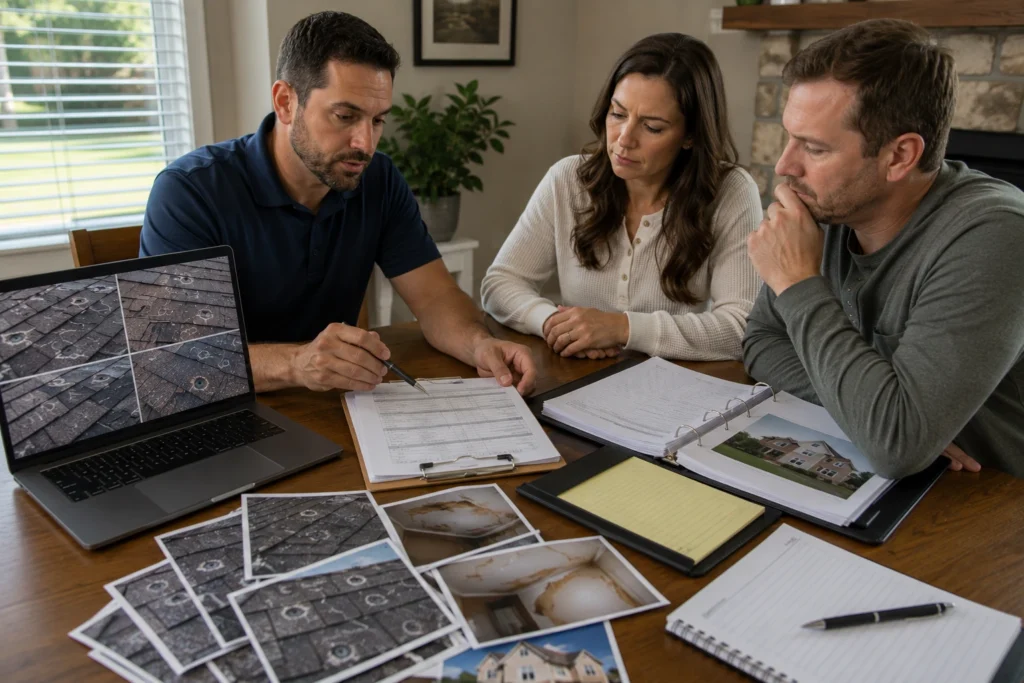
A denied hail claim can feel like getting hit twice. First comes the storm. Then comes the letter saying your insurance company will not pay for the damage you believed was covered. That frustration is real. And for many homeowners searching for What to Do If Your Hail Claim Was Denied in Brownsville, TX, the situation quickly becomes overwhelming because the denial language often feels technical, vague, or intentionally confusing.
But here’s the important part. A denial does not always mean the claim is dead. In many situations, denied hail claims can still be disputed, reopened, supplemented, or negotiated when stronger documentation becomes available. I have seen homeowners assume the insurance company made the “final decision,” only to later discover critical roof damage, missed code items, interior moisture issues, or incomplete estimating errors that significantly changed the outcome.
The key is responding strategically. Not emotionally. This article breaks down exactly what homeowners should do after a hail claim denial in Texas, how to protect their position, what mistakes to avoid, and how to build stronger leverage moving forward. Because once the denial arrives, the clock starts ticking.
Why Hail Claims Get Denied So Often in Texas
Texas sees enormous hail activity every year. That creates a massive number of claims after major storms. And volume changes everything. When carriers process thousands of inspections in short timeframes, mistakes become more common. Fast inspections happen. Documentation gaps happen. Disagreements happen. Especially with roofing systems. Some denials are legitimate. Others are incomplete. Some fall somewhere in between.
Here are the most common reasons hail claims get denied.
| Common Denial Reason | What It Usually Means |
| Wear and tear | Carrier argues damage is old |
| Cosmetic damage only | Carrier says roof still functions |
| Damage below deductible | Repair estimate too low |
| Improper maintenance | Roof condition blamed on owner |
| No storm-created openings | Carrier disputes causation |
| Late reporting | Delay weakened evidence |
| Pre-existing damage | Damage allegedly existed before storm |
One important reality many homeowners do not realize: A denial is sometimes just a disagreement over causation or scope. That distinction matters enormously. For example, the insurer may agree hail occurred but argue the roof only needs minor repairs while the homeowner’s contractor believes full replacement is necessary.
Those disputes become complicated quickly. Especially in Brownsville where coastal weather exposure, heat, wind, and aging roofing materials already create challenging inspection conditions.
The Difference Between a Denial and an Underpayment
This confuses homeowners constantly. A denied claim is obvious. The carrier says no. An underpaid claim is trickier because the insurer technically “approved” part of the loss while still omitting substantial damage. That happens all the time.
Examples include:
- Missing slope replacements
- Incomplete flashing repairs
- Ignored soft metal damage
- Missing code upgrades
- Underestimated labor
- Interior moisture omissions
- Low material quantities
Sometimes the estimate itself becomes the dispute. And that is why homeowners researching What to Do If Your Hail Claim Was Denied in Brownsville, TX should never focus only on whether the claim was approved or denied. The actual scope matters just as much. A tiny payment does not necessarily mean the estimate is accurate.
Read the Denial Letter Carefully
This is the first major step. Do not skim it. Read every line carefully because denial letters usually reveal the insurer’s entire position.
Pay close attention to:
- Cause-of-loss wording
- Exclusions cited
- Deductible explanations
- Engineer conclusions
- References to wear and tear
- Statements about roof age
- Comments about prior damage
Many homeowners miss critical language because they focus only on the word “denied.” But the explanation matters. A lot.
For example:
“There was no hail event” is very different from “hail occurred but did not damage the roofing system.” Those are separate disputes requiring different evidence. Create a dedicated claim folder immediately.
Include:
- Photos
- Emails
- Text messages
- Estimates
- Inspection reports
- Weather records
- Receipts
- Temporary repair invoices
Organization creates leverage. Messy claims create confusion.
Do Not Rush Into Repairs Without Documentation
This is one of the biggest mistakes homeowners make. Water intrusion creates urgency. That is understandable. But if repairs begin before proper documentation gets collected, important evidence may disappear forever. That weakens disputes dramatically.
Before repairs occur:
- Photograph all roof elevations
- Document gutters
- Photograph soft metals
- Capture interior staining
- Save damaged materials
- Record leak locations
- Keep receipts for temporary mitigation
Take both close-up and wide-angle images. Not just obvious dents. Small details matter during hail disputes. Especially when insurers argue the damage is cosmetic.
Why Roof Documentation Matters So Much
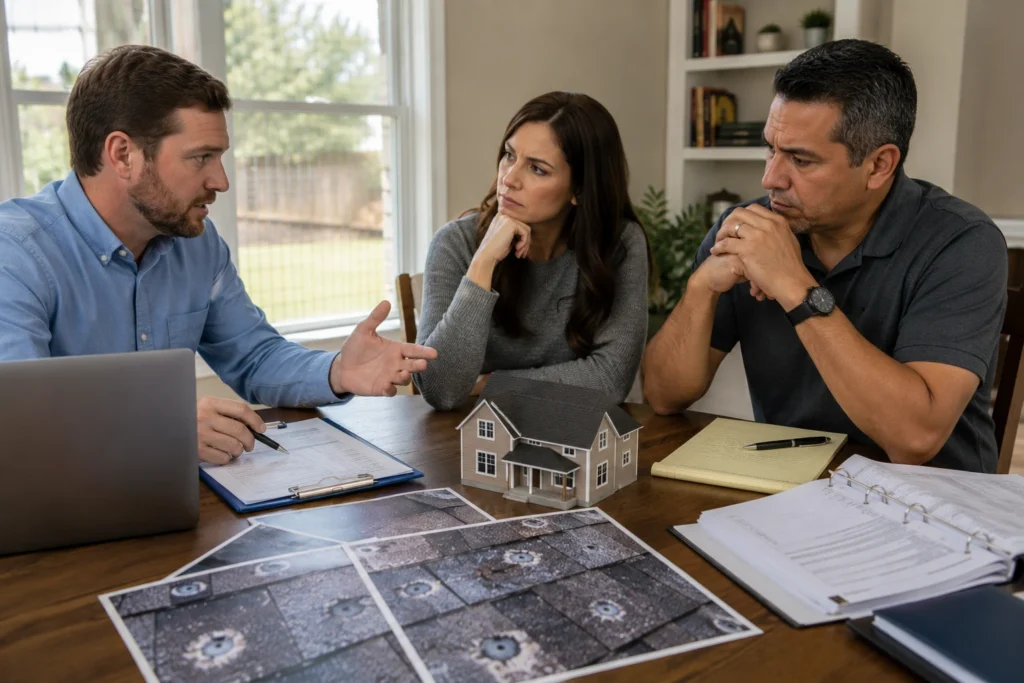
Strong hail claims are built on evidence. Not opinions. That distinction changes outcomes. When documenting hail damage, homeowners should focus on more than shingles alone.
Look for impact evidence on:
- Gutters
- Downspouts
- Roof vents
- Metal flashing
- HVAC units
- Window screens
- Garage doors
- Fence staining
- Outdoor furniture
These surrounding indicators help establish storm severity and impact direction. And they often become incredibly important when roof damage itself appears borderline or disputed. Many inspections focus too narrowly on shingles while ignoring the broader storm evidence surrounding the property.
That creates problems later. One of the smartest things homeowners can do is learn How to Document Hail Damage for an Insurance Claim before the dispute escalates. Clear photographs, organized timelines, contractor notes, weather verification, and preserved repair receipts all help create a stronger foundation when insurers question the severity or cause of the damage.
Use Weather Data to Strengthen the Claim
Weather verification matters more than many homeowners realize.
Storm reports help establish:
- Date of loss
- Hail size
- Storm trajectory
- Wind intensity
- Nearby impact zones
Helpful sources may include:
- NOAA reports
- Local radar archives
- Hail mapping services
- Meteorological data providers
If the carrier disputes whether significant hail occurred near Brownsville, weather documentation can become critical supporting evidence. Especially for reopened claims. Especially when inspections happened weeks or months later. Timing changes visibility.
Mistakes Homeowners Make After a Denied Hail Claim
Denied claims create frustration. That frustration often leads to rushed decisions. And rushed decisions can weaken the claim further. Here are the most common mistakes.
Assuming the Insurance Company Is Automatically Correct
Insurance adjusters are not infallible. Neither are contractors. Disputes happen because inspections involve judgment calls. Some roofs are obvious. Others are not.
Complicated claims often involve:
- Marginal impacts
- Brittle materials
- Older roofs
- Mixed storm damage
- Heat blistering confusion
- Mechanical marks
- Wind-related deterioration
A second opinion sometimes changes everything.
Waiting Too Long
This is dangerous. Policies contain deadlines. Texas claims involve timelines. Supplement requests involve timing. Delays weaken evidence. The longer homeowners wait, the harder causation becomes to prove because weather exposure continues altering the roof condition after the original storm. Act quickly. That matters.
Throwing Away Important Materials
Do not discard:
- Damaged shingles
- Flashing
- Interior materials
- Temporary repair invoices
Preserved evidence helps support future inspections and disputes.
Posting Too Much Online
This surprises people. But social media sometimes becomes part of claim investigations. Public statements can create inconsistencies. Keep communication factual and organized.
Request an Independent Roof Inspection
This step becomes extremely valuable after a denial. Independent inspections create comparison points.
They help identify:
- Missed damage
- Scope omissions
- Code items
- Collateral evidence
- Functional impacts
- Repairability concerns
A quality inspection should include:
| Inspection Item | Why It Matters |
| Roof measurements | Confirms quantities |
| Test squares | Identifies impact density |
| Soft metal review | Supports hail verification |
| Interior inspection | Finds hidden moisture |
| Photo documentation | Creates visual evidence |
| Code review | Identifies compliance issues |
Not all inspections are equal. Some are extremely thorough. Others are rushed. The quality of documentation often determines the strength of the dispute later.
Understanding the Texas Appraisal Process
Homeowners hear the word “appraisal” constantly during hail disputes. But many do not fully understand what it means. Insurance appraisal is a dispute-resolution process used when parties disagree on the amount of loss. It is not necessarily a lawsuit. It is also not always appropriate.
Appraisal may help when:
- Scope disputes exist
- Pricing disagreements occur
- Replacement disagreements arise
- Hidden damage gets discovered
However, appraisal does not automatically resolve every coverage issue. That matters. For example, if the insurer argues there was never any hail damage at all, the dispute may involve causation rather than amount-of-loss issues. That distinction becomes important in Texas claim handling. And honestly, this is where many homeowners become confused. Because the claim may sound denied while actually involving overlapping disputes about scope, causation, and valuation simultaneously.
Why Supplemental Claims Matter
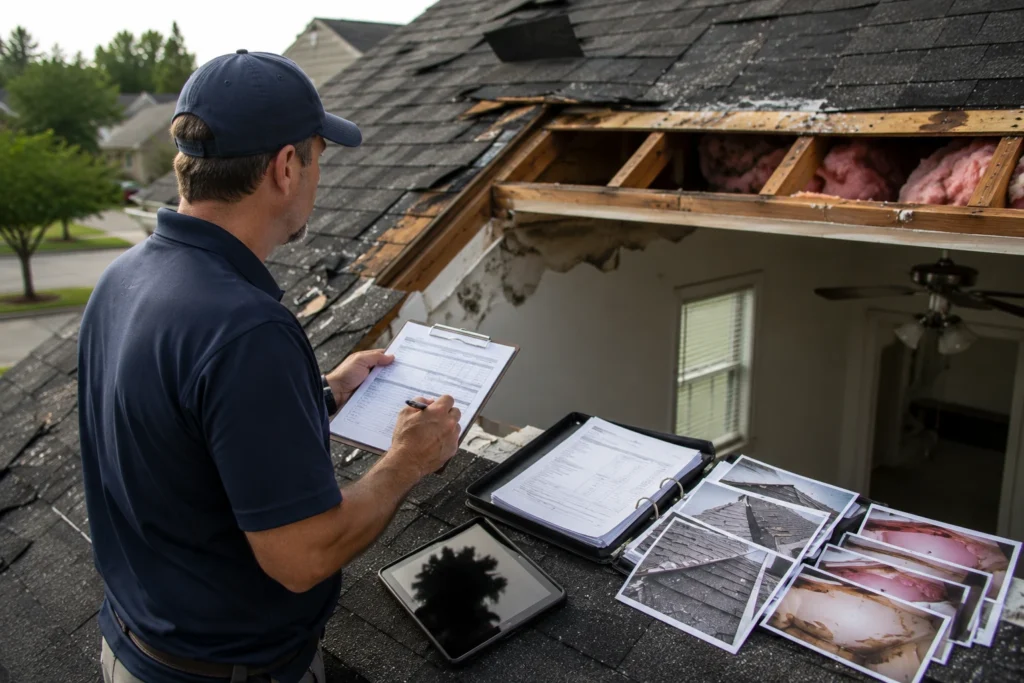
Some hail claims evolve over time. Hidden damage appears later. Leaks worsen. Moisture intrusion spreads. Additional code requirements emerge. That is why supplements exist.
Supplemental claims often include:
- Additional decking damage
- Underlayment issues
- Flashing replacement
- Ventilation corrections
- Code-required upgrades
- Interior repairs
- Insulation replacement
A small initial estimate does not always represent the final claim value. Not even close. Especially after contractors begin opening the roofing system.
How Public Adjusters Help With Denied Hail Claims
Homeowners often ask when they should involve a public adjuster. The answer depends on claim complexity. Public adjusters work on behalf of policyholders, not insurance companies.
Their role may include:
- Reviewing policies
- Documenting damage
- Preparing estimates
- Negotiating supplements
- Coordinating inspections
- Managing claim communication
For denied claims, organized documentation becomes one of the biggest advantages they bring. Because insurance disputes are rarely won through emotion. They are won through evidence. Detailed evidence. Consistent evidence. Professional evidence.
That includes:
- Scope accuracy
- Line-item documentation
- Photo organization
- Timeline consistency
- Code references
- Moisture verification
The stronger the documentation becomes, the harder it becomes to ignore missing items. In some complicated disputes, insurers may rely heavily on engineering evaluations and material analysis to determine whether roof impacts are storm-related or simply part of long-term deterioration. Concepts involving fractography occasionally become relevant when experts analyze how roofing materials fail under stress conditions.
Questions to Ask Before Hiring a Public Adjuster
Not all adjusters operate the same way. Ask questions. Important ones.
Here are several worth asking:
- Are you licensed in Texas?
- How much hail-claim experience do you have?
- How are fees structured?
- Will you personally inspect the property?
- Do you prepare supplements?
- How do you document disputes?
- Have you handled denied claims before?
Clarity matters. Especially during stressful claim situations.
Signs the Claim Handling May Be Incomplete
Not every disagreement means bad faith. That distinction matters. But certain warning signs deserve attention.
Examples include:
Repeated Delays
If communication becomes inconsistent or unexplained delays continue for long periods, organization becomes critical. Document everything.
Extremely Low Estimates
Some estimates omit major roofing components entirely. That deserves scrutiny.
Ignoring Interior Damage
Water intrusion matters. Especially after hail impacts compromise roofing systems. Interior staining should never be casually dismissed without investigation.
Contradictory Explanations
If the reasoning changes repeatedly, homeowners should request clarification in writing. Consistency matters in claims.
What Happens During a Reinspection?
Reinspections can feel intimidating. They should not. Preparation changes everything.
Before the reinspection:
- Organize all photos
- Prepare contractor reports
- Mark leak locations
- Gather weather reports
- Create written timelines
Do not rely on memory during inspections. Stress affects recall. Organized evidence improves clarity enormously.
During the inspection:
- Take notes
- Photograph findings
- Ask questions respectfully
- Document inspector observations
Professionalism helps. Emotional confrontations usually do not.
Why Hail Damage Disputes Become Technical
Roofing systems are complicated. Far more complicated than many homeowners realize.
Inspectors must differentiate between:
- Hail impacts
- Foot traffic
- Manufacturing defects
- Blistering
- Mechanical damage
- Granule loss
- Aging deterioration
And sometimes multiple conditions exist simultaneously. That creates gray areas. Especially on older roofs. This is why documentation from multiple sources often becomes valuable during denied hail claims.
The Financial Impact of Delayed Hail Repairs
This part gets overlooked constantly. A denied claim is not just paperwork. Delays can create worsening property damage.
That includes:
- Interior moisture intrusion
- Mold growth
- Deck deterioration
- Insulation saturation
- Electrical complications
Small leaks become expensive fast. Very fast. Which is why homeowners dealing with What to Do If Your Hail Claim Was Denied in Brownsville, TX should avoid waiting passively for months without monitoring the property condition carefully. Protect the structure while the dispute continues. That matters enormously.
Practical Steps Homeowners Can Take Immediately
Here is a practical action plan homeowners can follow right away.
| Action Step | Why It Helps |
| Review denial carefully | Understand insurer position |
| Photograph all damage | Preserve evidence |
| Request full reports | Clarifies findings |
| Obtain independent inspection | Creates comparison evidence |
| Organize communication | Prevents confusion |
| Save all receipts | Supports reimbursement |
| Monitor interior leaks | Protects property |
| Act quickly | Preserves claim timelines |
Simple organization creates major advantages later. Seriously. Many disputes improve dramatically once homeowners build a structured documentation system.
Why Communication Records Matter So Much
Claims often become communication battles. Not just inspection battles. Save everything.
That includes:
- Emails
- Voicemails
- Inspection appointments
- Estimate revisions
- Engineering reports
- Temporary repair invoices
Create timelines. Track dates carefully. When disputes escalate, organized communication history becomes incredibly valuable. Especially if explanations change over time.
The Emotional Side of Claim Denials
Let’s be honest. Denied hail claims are exhausting. Homeowners feel frustrated because they pay premiums expecting protection after storms. Then suddenly they are forced into technical disputes about roofing systems, policy language, and damage interpretation. That stress is real. Especially for families already dealing with active leaks or financial uncertainty. The key is staying methodical. Not reactive. Strong documentation usually creates better outcomes than emotional arguments ever will.
What to Do If Your Hail Claim Was Denied in Brownsville, TX
If you are dealing with a denied hail claim, focus on structure. Not panic.
The strongest next steps usually include:
- Understanding the denial reasoning
- Preserving evidence immediately
- Obtaining independent inspections
- Organizing documentation
- Monitoring hidden damage
- Reviewing supplemental opportunities
- Exploring dispute-resolution options
Most importantly, do not assume the first inspection automatically represents the final word on the claim. Because many disputes evolve substantially once deeper inspections occur. Especially with roofing systems. Especially after major Texas storms. And especially when hidden damage begins appearing later.
Final Thoughts
A denied hail claim does not automatically mean the situation is hopeless. But it does mean homeowners need to become proactive quickly. The difference between successful disputes and failed disputes often comes down to preparation. Documentation matters. Timing matters. Communication matters. And organized evidence matters most of all.
For homeowners researching What to Do If Your Hail Claim Was Denied in Brownsville, TX, the goal is not simply arguing harder with the insurance company. The goal is building a stronger factual case. One supported by photographs, inspections, timelines, estimates, weather verification, and detailed records. Because when the documentation improves, leverage often improves too. And in complicated hail disputes, leverage changes everything.
FAQs
Policy deadlines vary, so homeowners should respond quickly after receiving a denial letter. Waiting too long can weaken evidence and limit options.
Yes, some denied claims can be reopened if new evidence, inspections, or supplemental documentation become available.
Absolutely. Independent inspections often identify missed damage, incomplete scopes, or additional storm-related issues.
This is a common dispute in Texas hail claims. Strong documentation and independent evaluations may help challenge that conclusion.
Yes. Interior moisture intrusion can help demonstrate that the roofing system may have sustained functional storm damage.
Appraisal is a dispute-resolution process used when parties disagree on the amount of loss rather than outright coverage issues.
Temporary mitigation is important, but homeowners should thoroughly document all damage before major repairs begin.
Yes. Hail maps, radar data, and storm verification reports can help support the timing and severity of the loss.
Many homeowners seek help when claims become delayed, denied, underpaid, or too complicated to manage alone.
Roof inspections often involve complicated causation questions involving aging, mechanical damage, blistering, and actual hail impacts.